$9.00

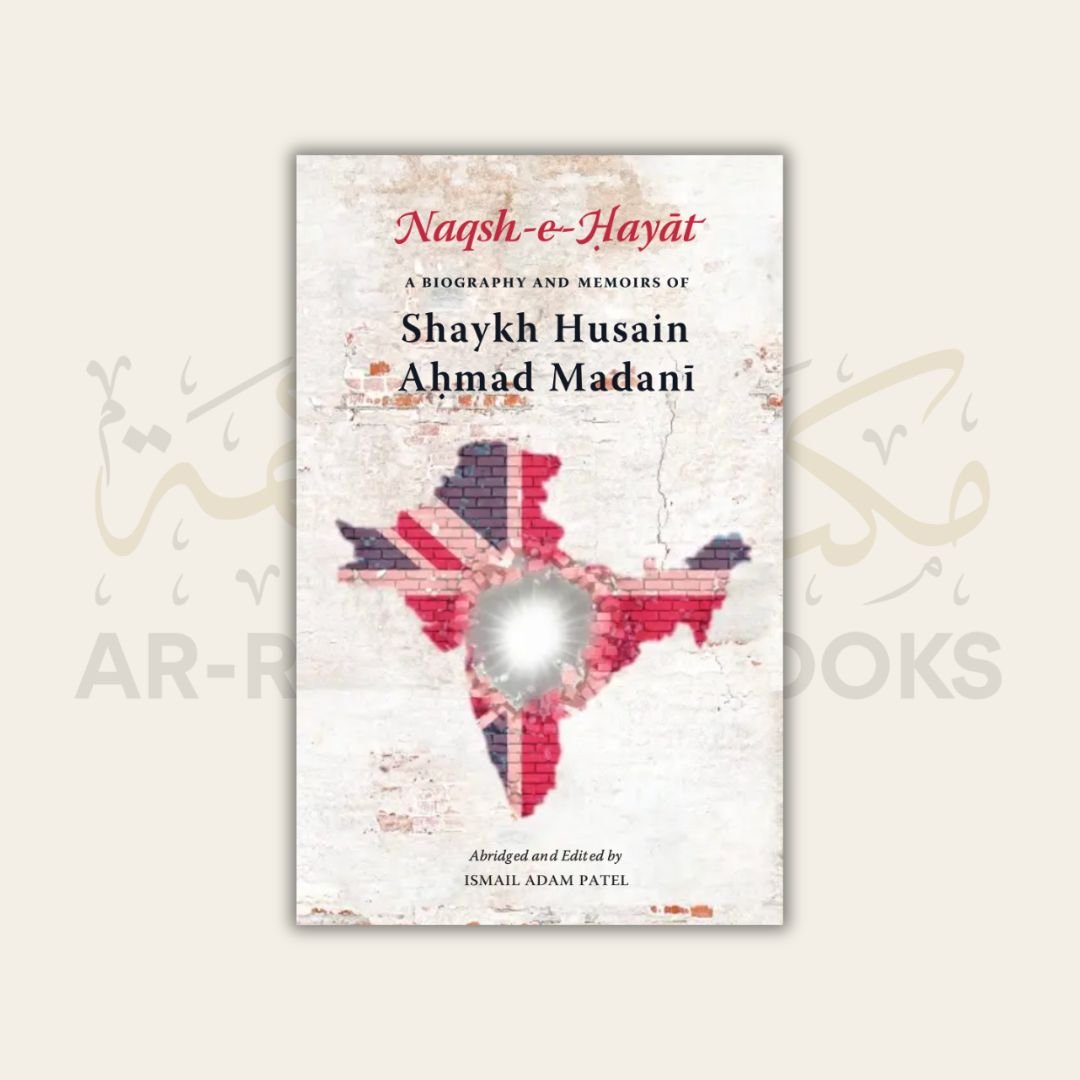
Naqsh-e-Hayat (Bio of Shaykh Husain Ahmad Madani)

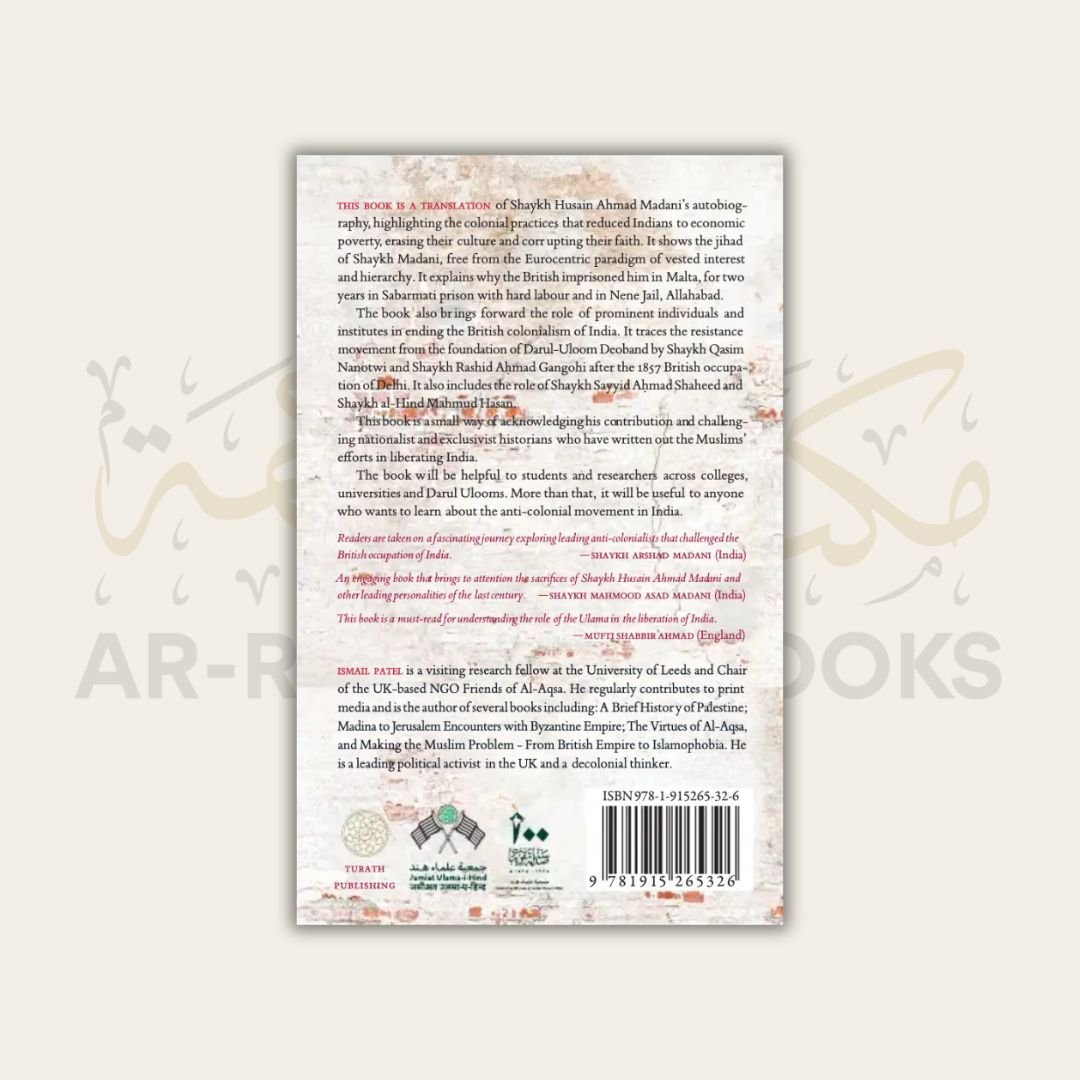
This book is a translation of Shaykh Husain Ahmad Madani’s autobiography, highlighting the colonial practices that reduced Indians to economic poverty, erasing their culture and corrupting their faith. It shows the struggle of Shaykh Madani, free from the Eurocentric paradigm of vested interest and hierarchy. It explains why the British imprisoned him in Malta for two years in Sabarmati prison with hard labor, and in Nene Jail, Allahabad.

The book also brings forward the role of prominent individuals and institutes in ending the British colonialism of India. It traces the resistance movement from the foundation of Darul Uloom Deoband by Shaykh Qasim Nanotwi and Shaykh Rashid Ahmad Gangohi after the 1857 British occupation of Delhi. It also includes the role of Shaykh Sayyid Ahmad Shaheed and Shaykh al-Hind Mahmud al-Hasan.

This book is a small way of acknowledging Shaykh Husain Ahmad Madani’s contributions and challenging nationalist and exclusivist historians who have written out the Muslims’ efforts in liberating India.

The book will be especially helpful to students and researchers across colleges, universities and Darul Ulooms, as well as anyone who wants to learn about the anti-colonial movement in India.
Availability: 21 in stock

Check the Whole Series:

Additional Information:

Book Publisher

Book Volume

Book Language

Learn More About:

Book Description

Naqsh-e-Hayat (Bio of Shaykh Husain Ahmad Madani)

This book is a translation of Shaykh Husain Ahmad Madani’s autobiography, highlighting the colonial practices that reduced Indians to economic poverty, erasing their culture and corrupting their faith. It shows the struggle of Shaykh Madani, free from the Eurocentric paradigm of vested interest and hierarchy. It explains why the British imprisoned him in Malta in Sabarmati prison with hard labor, and in Nene Jail, Allahabad.

The book also brings forward the role of prominent individuals and institutes in ending the British colonialism of India. It traces the resistance movement from the foundation of Darul Uloom Deoband by Shaykh Qasim Nanotwi and Shaykh Rashid Ahmad Gangohi after the 1857 British occupation of Delhi. It also includes the role of Shaykh Sayyid Ahmad Shaheed and Shaykh al-Hind Mahmud al-Hasan.

This book is a small way of acknowledging Shaykh Husain Ahmad Madani’s contributions and challenging nationalist and exclusivist historians who have written out the Muslims’ efforts in liberating India.

The book will be especially helpful to students and researchers across colleges, universities and Darul Ulooms, as well as anyone who wants to learn about the anti-colonial movement in India.

Related Books